- Workshop chemistry
- Gear parts
- Engine parts
- Filters
- Cooling system
- Fuel system
- Hydraulic system
- Parts for electric forklifts
- Electrical part
- Drive parts
- Additional accessories
- Chassis components
- Wheels, rims, tyres
- Steering system
- Mast and arm components
- Braking system
- Ignition system
- Lighting
- Exhaust system
- Parts for crushers and screening plants
- Pallet trucks
- Electric pallet lift trucks
- Hand pallet trucks
- Electric platform lifts
- Electric pallet trucks spare parts
- New products
- Products on sale
Categories
Manufacturer
Quality of parts
Price
-
from
to
Forks - a reliable tool for handling loads
Forks are the basic lifting tools on forklift trucks, used to move loads. They consist of two parallel arms mounted on the carriage of the mast, which slide underneath the loads, allowing them to be lifted, transported and stored.
Fork 1200x100x45, Class 3A
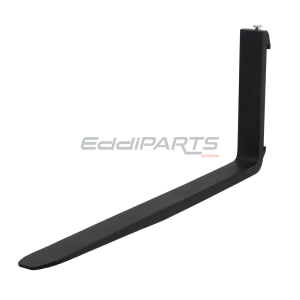
A load-bearing fork designed for fitting to forklift truck carriages with an ISO 2328 / FEM 3A mounting class. Manufactured from solid forged steel that has undergone full heat treatment, ensuring high permissible bending loads and resistance to material fatigue during intensive handling operations.
Availability: available
Dispatched within: 48 hours
Fork 1200x120x50, Class 3A
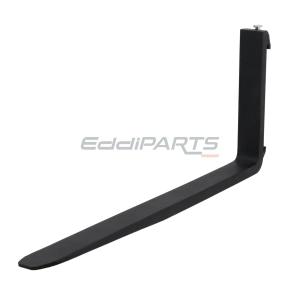
A load-lifting fork designed for mounting on forklift truck carriages of mounting class ISO 2328 / FEM 3A. Manufactured from solid forged steel with high resistance to bending and material fatigue, and heat-treated to achieve the required hardness. Quick fitting onto the carriage is ensured by standardised upper and lower attachments with a positioning lock.
Availability: available
Dispatched within: 48 hours
Fork 1200x125x50, Class 3A
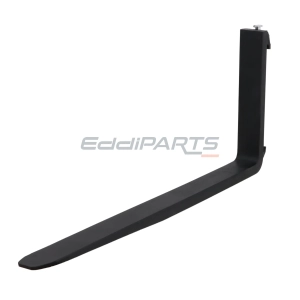
A load-bearing fork designed for fitting to forklift truck carriages with an ISO 2328 / FEM 3A mounting class. Manufactured from solid forged steel that has undergone full heat treatment, ensuring high permissible bending loads and resistance to material fatigue during intensive handling operations.
Availability: available
Dispatched within: 48 hours
Fork 1200×100×50, Class 3A
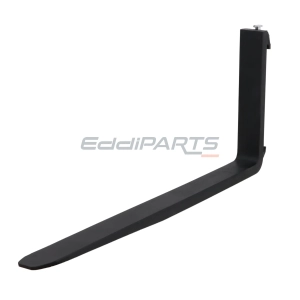
A load-bearing fork designed for fitting to forklift truck carriages with an ISO 2328 / FEM 3A mounting class. Manufactured from solid forged steel that has undergone full heat treatment, ensuring high permissible bending loads and resistance to material fatigue during intensive handling operations.
Availability: available
Dispatched within: 48 hours
Fork 1500x100x45, Class 2A
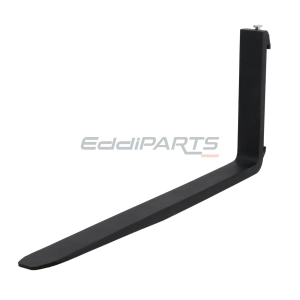
Lifting fork designed for installation on ISO 2328 / FEM Class 2A forklift carriages. Manufactured from solid forged steel and fully heat-treated to ensure high bending strength and resistance to material fatigue during intensive material handling operations.
Availability: available
Dispatched within: 48 hours
Fork 1600x100x45, Class 2A
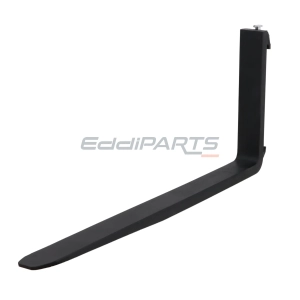
Lifting fork designed for installation on ISO 2328 / FEM Class 2A forklift carriages. Manufactured from solid forged steel and fully heat-treated to ensure high bending strength and resistance to material fatigue during intensive material handling operations.
Availability: available
Dispatched within: 48 hours
1200x100x40 forks, class 2A, one piece
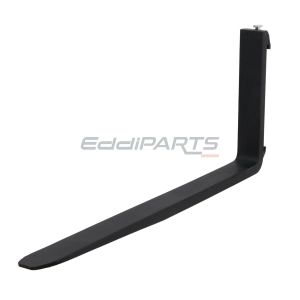
Forklift forks measuring 1200 x 100 x 40 mm, designed for fitting to the carriage of internal combustion and electric forklift trucks in mounting class ISO/FEM 2A.
Availability: available
Dispatched within: 24 hours
Fork 1200x80x40, Class 2A
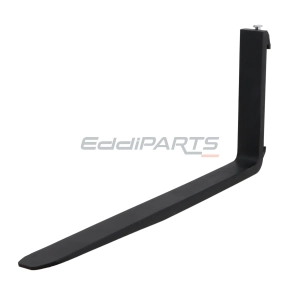
A load-bearing fork designed for fitting to forklift truck carriages of mounting class ISO 2328 / FEM 2A. Manufactured from solid forged steel that has undergone full heat treatment, ensuring high permissible bending loads and resistance to material fatigue during intensive handling operations.
Availability: Inquire about availability
The importance of forks
- Efficient lifting of loads: The forks enable the safe lifting and movement of a wide variety of loads, which is key to work efficiency.
- Durability: They provide stability and safety when working with heavy loads, minimising the risk of accidents.
- Versatility: They can be used for different types of loads, making them a versatile tool in warehouses and on construction sites.
Types of forks and their use
Forks can come in different configurations to suit the specific needs of users. Here are some typical fork types:
- Standard forks: Commonly used on forklift trucks, ideal for lifting pallets and other standard loads.
- Telescopic forks: Allow for length adjustment, which is useful when working with loads of different sizes.
- Specialist forks: Designed for specific applications such as transporting drums or containers.
How do I look after my forks?
To ensure that your forks work for a long time without problems, regular inspection and maintenance is recommended. Here are some tips:
- Regular condition checks: Inspect the forks for cracks, wear and tear and other damage. If problems are found, repair or replace immediately.
- Lubrication: Maintain adequate lubrication at moving points to minimise friction and wear.
- Correct use: Avoid overloading the forks and use them in accordance with the manufacturer's recommendations to ensure a long service life.
Get in touch with our team of specialists!
If you have questions about choosing the right forks or need technical advice, our specialists are ready to help you. Contact us for expert advice and technical support. We are here to help you choose the best components for your machine, ensuring optimum performance and reliability.